Summary: Most leading IVF clinics in Latin America combine high-tech reproductive solutions such as PGT, AI-assisted embryo selection, vitrification, and ICSI with personalized treatment regimens and globally accepted medical practices.
For patients considering the best IVF clinics in Latin America options, these clinics offer safe, innovative, and cost-effective fertility treatments comparable to leading programs in the United States. Costa Rica has become one of the most sought-after destinations for Americans seeking IVF treatment in Latin America, thanks to its combination of state-of-the-art laboratory facilities and personalized, patient-centered care that consistently delivers strong outcomes.
1. Preimplantation Genetic Testing (PGT)
Preimplantation Genetic Testing has changed the current IVF by enabling experts to test the embryos on whether they have genetic abnormalities before implantation.
There are three common types of PGT, which are:
- PGT-A (Aneuploidy Testing): This identifies the abnormal number of chromosomes.
- PGT-M (Monogenic Testing): It determines particular inheritable genetic disorders.
- PGT-SR (Structural Rearrangements): Tests of chromosomal structural alterations.
Preimplantation Genetic Testing (PGT) can help enhance the success of implantation and lower the risk of miscarriage by ensuring that only genetically healthy embryos are transferred. PGT is a standard procedure in many fertility centers in Costa Rica and across Latin America, where it is commonly used for patients older than 35 or those with a history of pregnancy loss.
2. Embryoscope Technology (Time-Lapse Embryo Monitoring)
Conventional embryo monitoring involves the embryologists periodically taking out the embryos in incubators and examining them. This process has been altered by Time-lapse imaging systems which are often referred to as the Embryoscope technology.
These systems are able to constantly take photographs of the embryo development in the incubator without disrupting the embryo environment. This will enable experts to keep track of the growth trends in real-time.
Benefits include:
- In-depth developmental monitoring.
- Better selection accuracy of embryos.
- Reduced stress on embryos
Most clinics in Latin America that offer IVF services to American patients, particularly those in Costa Rica, now utilize time-lapse technology to support and improve clinical decision-making.
3. ICSI (Intracytoplasmic Sperm Injection)
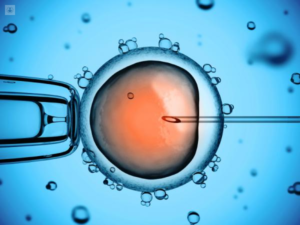
ICSI is a very specialized lab process whereby a single sperm is directly injected into an egg in order to fertilize an egg.
The technology is particularly useful when dealing with male factor infertility, including low-sperm count or motility. It has significantly raised the fertilization success rates of a number of patients.
The IVF cycles using ICSI are regular at the leading IVF clinics in Latin America. International patients seeking IVF in Latin America can access the same advanced ICSI protocols available at leading U.S. fertility centers.
4. Embryo and Oocyte Vitrification
The level of cryopreservation technology has increased in the last 10 years. Vitrification is a rapid freezing where no ice crystal is formed and mostly has high survival chances when embryos or eggs are thawed.
The method has a number of benefits:
- Extraction of reproductive tissue in women postponing childbirth.
- Increased leeway in appointments.
- Increased cumulative pregnancy rates.
Costa Rica and most fertility clinics have very advanced cryobanks with stringent quality-control mechanisms to ensure optimal long-term storage and viability of preserved reproductive cells.
5. Donor Sperm and Donor Egg Programs
Another significant characteristic of the most successful fertility clinics in Latin America is comprehensive donor programs.
A comprehensive set of medical, genetic, and psychological screenings is usually incorporated into the program for donor egg and donor sperm. This will guarantee patient safety as well as ethical practice in assisted reproduction.
The programs assist in dealing with such situations as:
- Diminished ovarian reserve
- Premature ovarian failure
- Genetic disorders
- LGBTQ+ family building
When offering IVF services in Latin America for Americans, clinics typically tailor their donor programs to comply with international medical standards, including those adopted in the United States.
6. State of the art Andrology Labs
Infertility in males is a cause of about 40-50 percent of fertility problems. To curb this, the major clinics spend money on sophisticated andrology laboratories with specialized diagnostic equipment.
Such laboratories might offer:
- Sperm DNA fragmentation testing.
- Procedures of testicular sperm extraction.
- Improved methods of sperm selection.
Costa Rican and other leading fertility destinations clinics employ these technologies to determine male fertility problems and maximize fertilization success.
7. Embryo Selection Artificial Intelligence
Artificial intelligence is also becoming part and parcel of IVF laboratories to aid in the grading of embryos.
The AI programs can compare time-lapse images of embryos development and forecast lead embryos that have the best chance to successfully implant.
The technology has a number of benefits:
- Greater objectivity of embryo examination.
- Reduced human bias
- Better determination of successful pregnancies.
Numerous leading IVF clinics in Latin America are moving to AI-based systems to improve embryo selection accuracy and raise overall live birth rates.
8. Minimal Stimulation IVF and Individualized Protocols
The current fertility care is more and more aimed at treatment plans that are tailored to the individual, as opposed to universal protocols.
The design of the stimulation strategies is motivated by clinicians according to the following:
- Age
- Ovarian reserve
- Hormone levels
- Previous IVF outcomes
Minimal stimulation IVF protocols involve reduced medication doses but they are able to compete successfully. These are especially appealing to patients who look to IVF in Latin America for Americans because they have the opportunity to minimize medication exposure and still be effective.
Azul Fertility Experts: Advanced IVF Care in Costa Rica
At Azul Fertility Experts in Costa Rica, advanced reproductive technologies are used throughout the treatment process. Services include PGT genetic testing, embryo vitrification, ICSI, and AI-assisted embryo assessment, all integrated into individualized treatment plans for both local and international patients.
The clinic is a blend of international laboratory services and personalized care specifically for international patients. This boutique-like style is useful in ensuring that patients not only receive medical excellence but also personalized treatment throughout the fertility process.
Why Costa Rica in Latin America is Special?
Latin America is witnessing an increase in the popularity of fertility treatment due to a number of reasons.
There are numerous internationally accredited clinics that provide reproductive endocrinologists who have been trained in the United States and very advanced laboratory technologies. Medical infrastructure and other patient-friendly policies have made countries such as Costa Rica particularly appealing to American patients.
When a patient searches for the best IVF alternatives in Latin America, they usually find that treatment costs are half to 60% lower than in the United States. This, along with high medical standards and personalized care, make the region a favorable choice of fertility treatment.
Ready to start your journey? Schedule a virtual consultation with our specialists at Azul Fertility Experts today.
FAQs
1. Is IVF in Latin America safe for American patients?
Yes. Many fertility clinics follow international accreditation standards and employ board-certified specialists with global training and experience.
2. Are success rates comparable to those in the United States?
Top fertility centers in Latin America report success rates similar to leading U.S. clinics, particularly when advanced technologies like PGT and AI embryo selection are used.
3. Is genetic testing available for embryos?
Yes. Most major clinics provide comprehensive PGT services for chromosomal and genetic screening.
4. How much cheaper is IVF in Latin America?
Depending on the clinic and treatment protocol, IVF procedures may cost 40–60 percent less than similar treatments in the United States.
5. How long do patients typically stay during treatment?
Most IVF treatment cycles require approximately 10–14 days in the destination country for monitoring, egg retrieval, and embryo transfer.